
The fortified city of Dubrovnik, a World Heritage Site, also known as one of the most beautiful cities in the world and "the pearl of Adriatic", was influenced by the great Renaissance and Gothic eras, "shining" with masterpieces of artwork and architecture. Dubrovnik Old town was built in the 13th century and remains almost untouched to the present day. It is known worldwide for the tall walls that surround the Old town. The natural and historical surroundings; crystal clear Adriatic sea around the islands dotted with cypress trees, hills, castles and cathedrals, create a magic atmosphere Dubrovnik is so famous for. The city's medieval charm opens with its many cafes, restaurants, galleries and shops happily lining its cobblestone streets and the main square. A living fairytale not to be missed and probably the most famous Croatian site.

Now that I've fulfilled my patriotic duty by letting everyone know which place not to miss next summer, I secretly admit there's a hidden motive that made me share this wonderful place with you. There's definitely more than a medieval spirit and beautiful coast to it all. There's gardens. And then there's more gardens. The Mediterranean part of Croatia is known in the field of garden history for the Renaissance gardens of southern Dalmatia, especially in the area around Dubrovnik. Shipbuilding, busy merchants and salt trade made Dubrovnik a very wealthy republic. True, this little heaven on earth was known as the Republic of Dubrovnik from the 15th century. What is more, since ancient times, the city's most valued commodity was its freedom.
 The landed gentry and the rich used to build villas which formed a complex that included a garden and the surrounding landscape and they provided a rural life, delight and rest. I'll mention just the famous two which I last visited last summer: the Trsteno arboretum (25km NW of the Old town) and the botanical garden on the little island of Lokrum just opposite Dubrovnik. Trsteno arboretum was created by a local nobleman with a vision and aided by local sea captains who came home from their travels bearing gifts of exotic specimens. The centrepiece is a summer villa built in 1494. Rather than investing his wealth into a sprawling and luxurious home, he built a more modest abode and surrounded it with gardens in which his spirit could soar. Over the centuries, many people have invested their energy and soul into these beautiful gardens.


 Southeast of Dubrovnik, just a breath away, like a guardian angel stands Lokrum island. Its beauty unshaded by the magnificent city. The very name Lokrum comes from the Latin, meaning sour fruit and it's a name that comes from the tradition of bringing and cultivating exotic plants from all corners of the world on the island and this tradition started in the time of the Benedictines. This tradition was nurtured through the whole existence of the Dubrovnik Republic and later on with the rule of the Maximilan
Ferdinand of Habsburg as he had a mansion built on the island in 1859 with a magnificent garden laid out, criss-crossed with pathways, full of amazing plants and botanical wonders, and other vegetation originating from Australia to South America. The island is also inhabited by families of peacocks.


The fact remains that it is the Benedictines who deserve the credit for creating lasting values in architecture and setting the bases of gardens and landscape design on the island, in their efforts to preserve and develop the green open space. With its long history of arranged, cultivated garden spaces, this island- park is by far without parallel in the entire Croatian heritage of garden design.
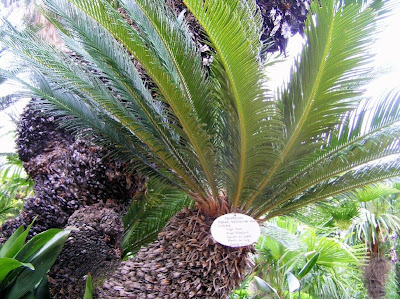


 this Sophora tree continues to mesmerize me...


 link to the Botanical garden Arboretum




 Top Gardening Sites


